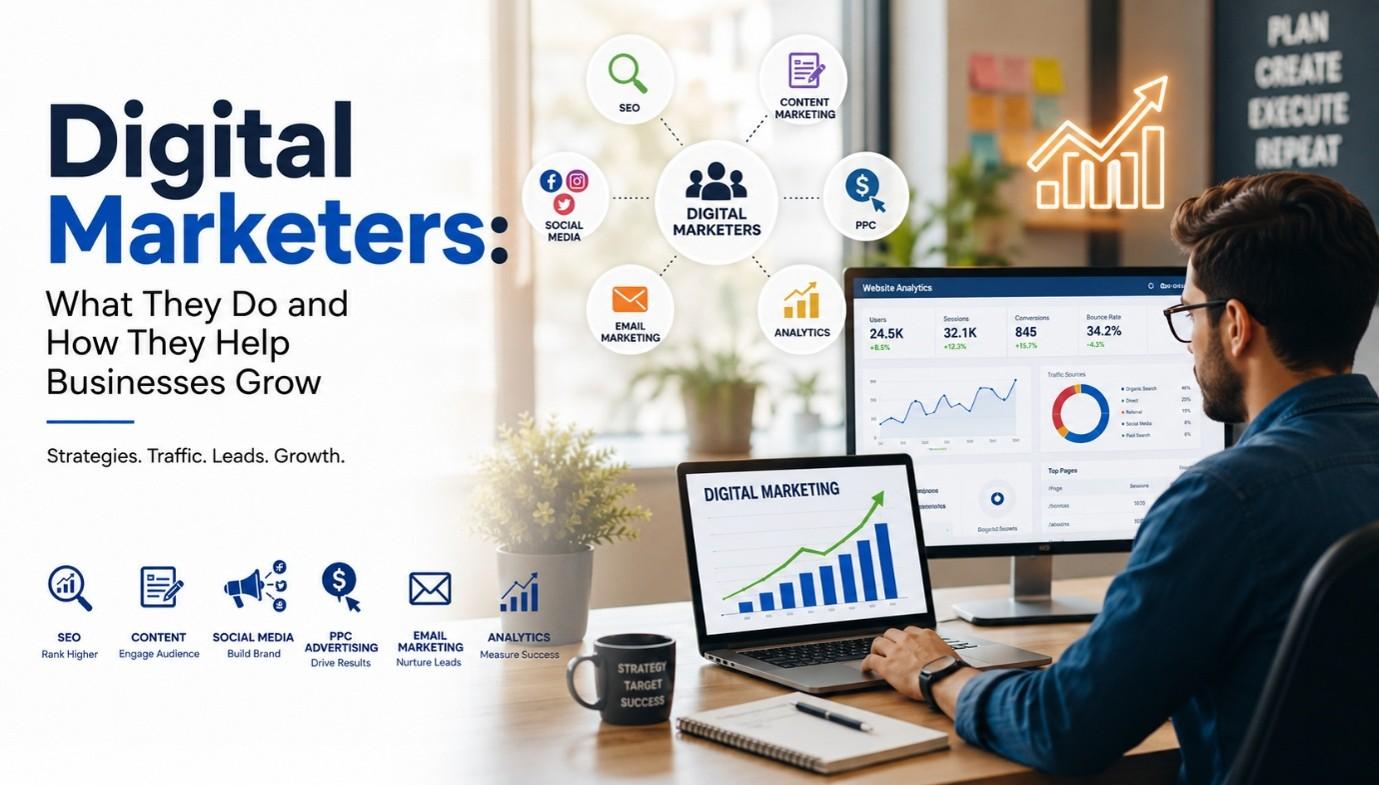
#1 Digital Marketers & Business Growth
In today's digital-first world, having a great product or service isn't enough. Your customers are searching online, comparing brands, reading reviews, and making purchasing decisions before they ever contact a business. If your company isn't visible where your audience spends their time, you're likely losing valuable opportunities to competitors.
This is where digital marketers make a significant difference.
Digital marketers use data-driven strategies to help businesses build brand awareness, attract qualified leads, increase website traffic, and convert visitors into loyal customers. Whether you're a startup looking for your first customers or an established business aiming to scale, the right digital marketing approach can accelerate growth and improve long-term success.
In this guide, you'll learn what digital marketers do, the services they provide, the skills they need, and how they help businesses achieve measurable results.
What Is a Digital Marketer?
A digital marketer is a professional who promotes products, services, or brands through online channels. Unlike traditional marketing, which relies on television, radio, newspapers, or billboards, digital marketing focuses on reaching audiences through the internet. They combine creativity with analytics to design campaigns that attract the right audience and encourage them to take action.
Their Primary Goals Include:
- Increasing website traffic
- Building brand awareness
- Generating qualified leads
- Improving customer engagement
- Boosting online sales
- Strengthening customer loyalty
- Measuring marketing performance
Key Takeaway: Digital marketers don't just create advertisements—they develop complete strategies that connect businesses with their ideal customers.
#2 Why Digital Marketers Matter
Consumer behavior has changed dramatically over the past decade. Before making a purchase, most people search online, read reviews, compare competitors, and explore social media. Without a strong online presence, businesses risk becoming invisible to potential customers.
Digital marketers help businesses adapt by ensuring they appear in the right places at the right time.
They Increase Online Visibility
When customers search for products or services, businesses that appear on the first page of search results receive significantly more attention than those buried deeper in search rankings.
They Generate High-Quality Leads
Not every website visitor becomes a customer. Digital marketers focus on attracting people who are already interested in what your business offers.
They Build Brand Trust
Modern customers buy from businesses they trust. Digital marketers help establish credibility by creating:
They Measure Everything
Traditional marketing often makes it difficult to know which campaigns are working. Digital marketing provides measurable insights, including:
| Metric | Why It Matters |
|---|---|
| Website Traffic | Shows audience growth |
| Conversion Rate | Measures sales effectiveness |
| Click-Through Rate (CTR) | Evaluates ad performance |
| Cost Per Lead | Tracks marketing efficiency |
| Bounce Rate | Reveals user engagement |
| Return on Investment (ROI) | Measures profitability |
#3 Core Responsibilities
Digital marketers wear many hats. Depending on the business, they may manage multiple marketing channels simultaneously. Here are some of their key responsibilities.
1. Search Engine Optimization (SEO)
SEO helps websites rank higher in search engine results, making it easier for potential customers to find a business organically.

Common SEO activities include:
A strong SEO strategy generates long-term traffic without relying solely on paid advertising. To start learning more about best practices, check out the Google Search Central SEO Starter Guide, the Ahrefs SEO Blog, and Search Engine Land.
2. Content Marketing
Content is one of the most powerful tools in digital marketing. Digital marketers create valuable content that educates, informs, and builds trust with audiences.
High-quality content not only attracts visitors but also supports SEO and nurtures leads throughout the buying journey. For excellent inbound strategies, explore the HubSpot Marketing Resources.
Pro Tip: Focus on solving your audience's problems instead of simply promoting your products. Helpful content earns trust and improves long-term engagement.
3. Social Media Marketing
Social media allows businesses to connect directly with their audience. Digital marketers develop strategies for platforms such as Facebook, Instagram, LinkedIn, X (formerly Twitter), TikTok, Pinterest, and YouTube.

Their responsibilities may include:
4. Pay-Per-Click (PPC) Advertising
PPC advertising enables businesses to reach potential customers quickly by placing ads on search engines and social media platforms.
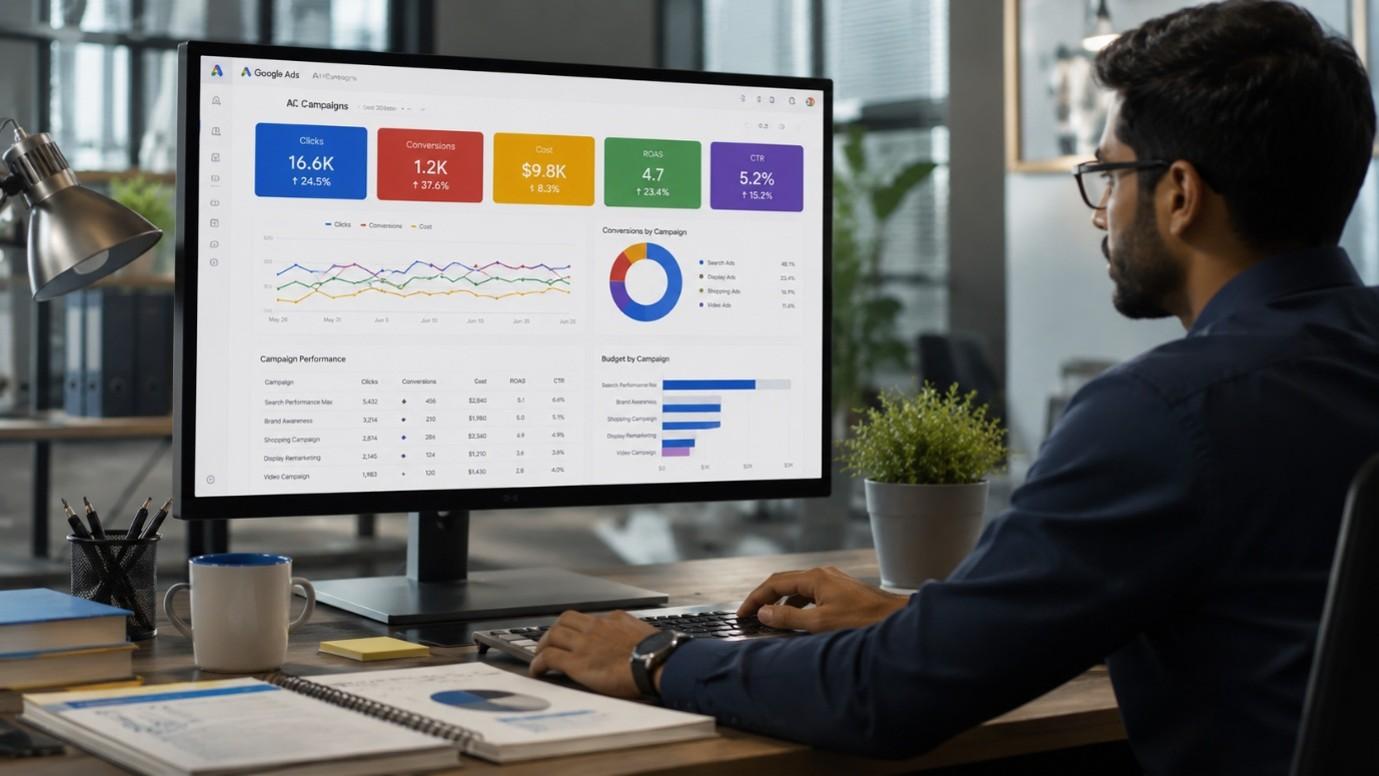
Digital marketers manage:
5. Email Marketing
Despite the rise of social media, email remains one of the most effective digital marketing channels.
Digital marketers use email campaigns to:
Personalized email campaigns often deliver stronger engagement and higher conversion rates than generic mass emails.
6. Analytics and Performance Reporting
One of the biggest advantages of digital marketing is the ability to measure results.
Digital marketers regularly analyze:
These insights help businesses understand what works, what doesn't, and where improvements can be made. To explore more analytic tools, see Google Analytics and the Semrush Blog.
#4 Essential Skills Every Marketer Needs
Successful digital marketers combine technical expertise with creativity and strategic thinking. Here are some of the most important skills they rely on:
Analytical Thinking
Marketing decisions should be driven by data, not assumptions. Marketers use analytics to interpret campaign performance, identify growth opportunities, and optimize advertising budgets.
Communication Skills
Whether writing blog posts, creating advertisements, or managing social media, clear communication is essential. Great marketers know how to explain complex ideas simply.
Creativity
Creative thinking helps businesses stand out in competitive markets. They use creativity to design compelling advertisements, unique storytelling, and memorable brand experiences.
Technical Knowledge
Understanding modern platforms like Google Search Console, Google Ads, CRM tools, and marketing automation software is critical to stay competitive.
Adaptability
Algorithms, platforms, and behaviors change daily. Successful digital marketers embrace continuous learning and adjust their strategies as new trends emerge.
#5 Services Offered
While responsibilities may vary, most professional digital marketers offer a combination of services designed to support business growth:
| Service | Business Benefit |
|---|---|
| Search Engine Optimization (SEO) | Improves organic visibility and rankings |
| Content Marketing | Builds trust and attracts qualified visitors |
| Social Media Management | Increases engagement and brand awareness |
| Pay-Per-Click Advertising | Generates immediate targeted traffic |
| Email Marketing | Nurtures leads and encourages repeat business |
| Conversion Rate Optimization (CRO) | Turns more visitors into customers |
| Website Optimization | Improves user experience and performance |
| Analytics & Reporting | Tracks campaign success and informs decisions |
| Online Reputation Management | Strengthens brand credibility |
| Digital Marketing Strategy | Aligns marketing efforts with business goals |
Important Note: The most effective digital marketers don't rely on a single tactic. They integrate SEO, content, social media, paid advertising, email, and analytics into a unified strategy that supports sustainable growth.
#6 Benefits of Hiring Professional Marketers
Investing in professional digital marketers is one of the smartest decisions a business can make. Instead of relying on trial and error, experienced marketers use proven strategies to help businesses achieve measurable growth.

1. Reach the Right Audience
One of the biggest challenges for any business is finding the right customers. Professional digital marketers use audience research, customer personas, and data analytics to identify who your ideal customers are and where they spend their time online. This means your marketing budget is spent reaching people who are more likely to become paying customers.
2. Increase Website Traffic
A beautiful website has little value if no one visits it. Marketers use a combination of SEO, content marketing, social media, and paid advertising to attract consistent traffic from multiple channels (organic engines, social platforms, referral links, and local listings).
3. Improve Lead Generation
Generating leads is about attracting people who are genuinely interested in your products or services. Marketers create optimized landing pages, compelling calls to action (like downloads, quotes, or consultations), and targeted campaigns that encourage visitors to take the next step.
4. Strengthen Brand Awareness
People are more likely to buy from brands they recognize and trust. Marketers build brand awareness by maintaining a consistent presence across multiple digital channels (social channels, display ads, and newsletters).
5. Achieve Better Return on Investment (ROI)
Every marketing dollar should contribute to business growth. Unlike traditional advertising, digital marketing provides detailed performance data, making it easier to identify what's working, reduce costs, and maximize ROI.
6. Stay Ahead of Competitors
Your competitors are constantly looking for ways to attract the same customers. Digital marketers monitor industry trends, analyze competitor strategies, and identify opportunities that help your business stay competitive.
Expert Tip: The most successful businesses treat digital marketing as an ongoing investment, not a one-time project. Consistent optimization produces better long-term results than short bursts of activity.
#7 In-House vs. Freelancer vs. Agency
Choosing the right type of digital marketer depends on your goals, budget, and available resources. Let's look at a quick feature matrix:
| Feature | In-House Marketer | Freelancer | Agency |
|---|---|---|---|
| Cost | High | Low to Medium | Medium to High |
| Expertise | Limited to individual skills | Specialized | Broad team expertise |
| Scalability | Moderate | Limited | High |
| Availability | Full-time | Flexible | Dedicated team |
| Access to Tools | Company-owned | Personal tools | Enterprise-level tools |
| Speed | Moderate | Fast | Fast |
| Best For | Large businesses | Small projects | Long-term growth |
In-House Digital Marketers
An in-house marketer works exclusively for your company.
Advantages: Deep understanding of your brand, immediate communication, close collaboration.
Challenges: Higher salary and benefits, limited expertise across all channels, additional training costs.
Freelance Digital Marketers
Freelancers are independent professionals who work with multiple clients.
Advantages: Affordable for smaller businesses, flexible contracts, specialized expertise.
Challenges: Limited availability, may not offer every service, managing multiple freelancers is complex.
Digital Marketing Agencies
Agencies provide access to teams of specialists, including SEO experts, content writers, designers, PPC managers, and analysts.
Advantages: Comprehensive services, experienced specialists, access to premium tools, scalable solutions.
Challenges: Higher monthly investment, requires clear communication and collaboration.
Recommendation: Businesses seeking consistent growth often benefit from partnering with an experienced digital marketing agency (like G2G Media House) that can manage multiple channels under one strategy.
#8 How to Choose the Right Marketer
Not every marketer will be the right fit for your business. Before making a hiring decision, consider the following factors:
1. Review Their Experience
Look for professionals who have worked with businesses similar to yours. Ask about industry experience, results achieved, case studies, and channel specialties.
2. Evaluate Their Skills
A well-rounded digital marketer should understand SEO, PPC, content marketing, email campaigns, social media, analytics, and conversion optimization.
3. Ask About Their Process
Professional marketers follow structured workflows: Business discovery → Competitor research → Audience analysis → Strategy development → Campaign execution → Performance tracking → Continuous optimization.
4. Check Communication
Successful partnerships rely on regular communication. Look for marketers who provide monthly reports, explain results clearly, and welcome collaboration.
5. Focus on Long-Term Value
Avoid choosing a marketer based solely on the lowest price. Instead, evaluate proven expertise, strategic thinking, quality of work, and client satisfaction.
#9 Common Mistakes Businesses Make
Many businesses invest in digital marketing but fail to see results because of avoidable mistakes. Here are some of the most common ones:
Expecting Immediate Results
SEO and brand building take time. Sustainable growth typically requires consistent effort over several months.
Ignoring Analytics
Without tracking performance, it's impossible to know what's working. Monitor website traffic, conversions, cost per lead, and ROI.
Targeting Everyone
Trying to appeal to every customer often results in ineffective messaging. Instead, define your ideal customer.
Publishing Low-Quality Content
Search engines and users value original, informative content. Avoid thin articles, duplicate content, and keyword stuffing.
Neglecting Mobile Users
A large percentage of searches happen on mobile. Make sure your website offers fast loading speed and responsive design.
Failing to Test and Optimize
Digital marketing isn't set-and-forget. Marketers must regularly test headlines, ad copies, landing pages, and target audience segments.
#10 Future Trends Every Marketer Should Watch
Digital marketing continues to evolve as technology and customer expectations change. Here are some of the most important trends shaping the future:
Artificial Intelligence (AI)
AI is automating repetitive tasks and providing deeper insights into behavior (like content planning, email personalization, chatbots, and predictive analytics). For ongoing industry news, follow Search Engine Journal.
Pro Tip: Use AI to enhance your workflow—not replace authentic, customer-focused marketing.
Voice Search Optimization
With voice assistants, more people search using natural, conversational language (e.g. "Who are the best digital marketers for small businesses?"). Adapt by answering common customer questions and creating FAQ sections.
Video Content Continues to Grow
Short-form videos, live streams, and educational tutorials are highly effective for capturing attention and encouraging brand trust.
First-Party Data & Personalization
As cookie policies tighten, collecting first-party data directly via surveys, newsletters, and registrations is crucial. Relevant, personalized messaging yields stronger retention.
#11 Best Practices Checklist
Use this interactive checklist to review your digital marketing campaigns. Check items off as you complete them to view your compliance score!
#12 Frequently Asked Questions
Find quick answers to the most common questions regarding digital marketers and scaling your traffic:
Final Thoughts
Digital marketing is no longer optional—it's an essential part of building and growing a successful business in today's competitive marketplace. From improving search visibility and generating qualified leads to strengthening customer relationships and increasing sales, digital marketers play a vital role in helping businesses achieve measurable results.
Whether you choose to hire an in-house marketer, work with a freelancer, or partner with a digital marketing agency, success depends on selecting professionals who understand your goals, communicate clearly, and focus on long-term business growth.